Additional Services
Welcome to our new Wandering Spiritsrvrental Service!
WE ARE YOUR ONE-STOP SOLUTION FOR ALL YOUR RV REPAIR NEEDS!
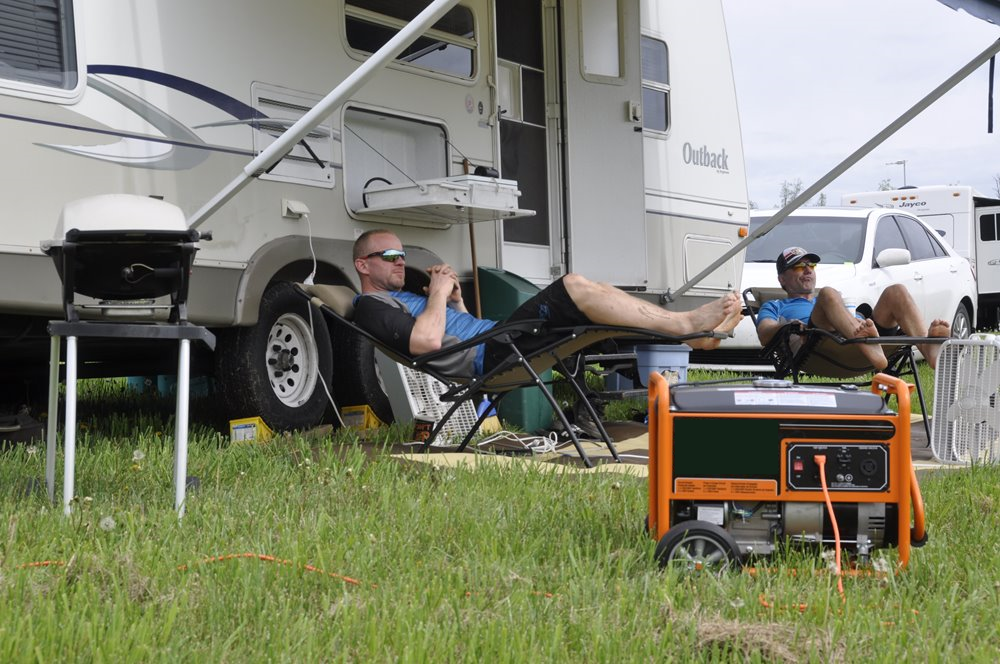
Add a Generator to your RV Rental
Many RVs (Recreational Vehicles) come equipped with built-in generators or have the option to include one. Generators are useful for providing power to appliances and electrical systems in the RV, especially when camping in areas without electrical hookups. Here are some key points to consider:
Built-in Generators: Some RVs come with a built-in generator as part of their standard equipment. These generators are often powered by the same fuel source as the RV (usually gasoline or propane). They are convenient and provide a seamless power source for the entire vehicle.
Portable Generators: If your RV doesn’t have a built-in generator, or if you need additional power for outdoor activities, you can use portable generators. These generators are separate units that can be placed outside the RV and connected to its electrical system. Portable generators are available in various sizes and fuel types.
Generator Usage: When renting an RV, it’s essential to understand how to use the generator properly. There may be guidelines on when and how to use it, as well as any limitations on its runtime. Most RV generators have an automatic start/stop feature based on the demand for power.
Fuel Type: Generators can run on different fuel types, including gasoline, propane, or diesel. Make sure you know the type of fuel the generator uses, as well as where and how to refuel it.
Noise Levels: Generators can produce noise, and some campgrounds may have restrictions on generator usage hours or noise levels. Consider this when planning your trip and be mindful of your surroundings.
Camper/RV Rental Insurance Company
When renting a camper or RV, insurance is an important consideration to protect yourself, the vehicle, and any potential liabilities. Rental insurance for campers and RVs can cover a range of aspects, including damage to the vehicle, liability in case of accidents, and personal belongings inside the RV. Here are some key points to consider:
When renting a camper or RV, insurance is an important consideration to protect yourself, the vehicle, and any potential liabilities. Rental insurance for campers and RVs can cover a range of aspects, including damage to the vehicle, liability in case of accidents, and personal belongings inside the RV. Here are some key points to consider:
Insurance Options
- Collision Damage Waiver (CDW): This covers damage to the rental vehicle in the event of a collision. It often comes with a deductible.
- Liability Insurance: This covers bodily injury and property damage liability up to a specified limit in case you are at fault in an accident.
- Comprehensive Coverage: This may cover non-collision events, such as theft, vandalism, or natural disasters.
- Personal Effects Coverage: This covers personal belongings inside the RV.
Rental Insurance Providers:
- Many RV rental companies offer insurance packages or options for renters. When booking your rental, inquire about the insurance options available and their costs.
- Some RV rental companies may partner with third-party insurance providers to offer comprehensive coverage.
Credit Card Insurance:
- Some credit cards offer rental campers insurance, and this coverage may extend to rental RVs or campers. However, coverage
can vary between credit card issuers, so it’s important to check the terms and conditions.
Personal Auto Insurance:
- Check with your personal auto insurance provider to see if your coverage extends to rental RVs. Some policies may cover rental vehicles, but the extent of coverage can vary.
Examine Policies and Coverage Limits:
- Carefully review the insurance policies offered by the rental company or any third-party provider. Understand the coverage limits, deductibles, and exclusions.
Additional Services
- Predator 3000 Generator
- $25/night